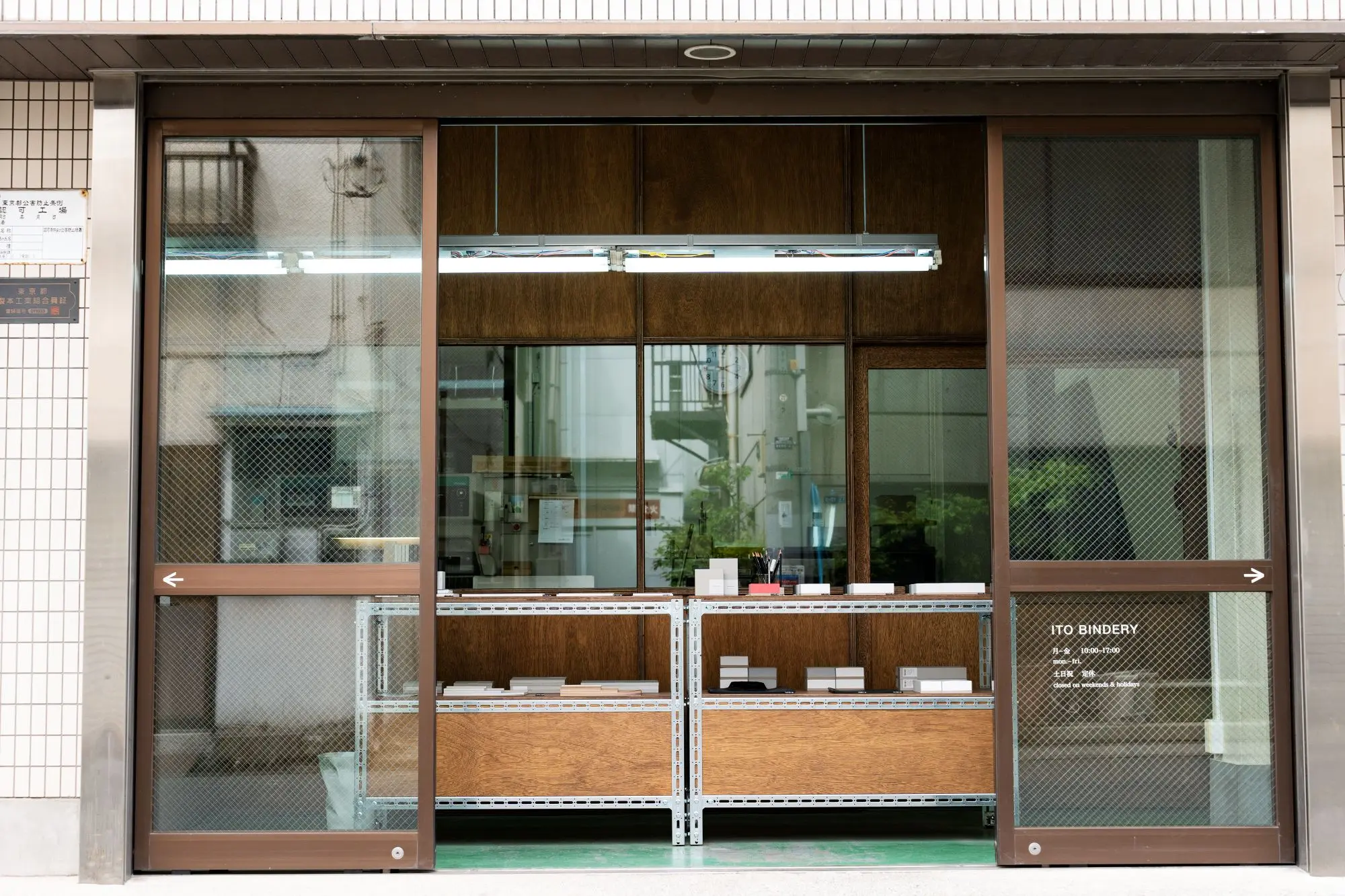


March 1, 2026 marks three years since we opened our shop inside the factory.
At the time, deciding to create a retail space within the factory was not an easy choice.
It meant reducing our working space, and some of the staff questioned it, asking,
Do we really need this? To be honest, I also had my doubts.
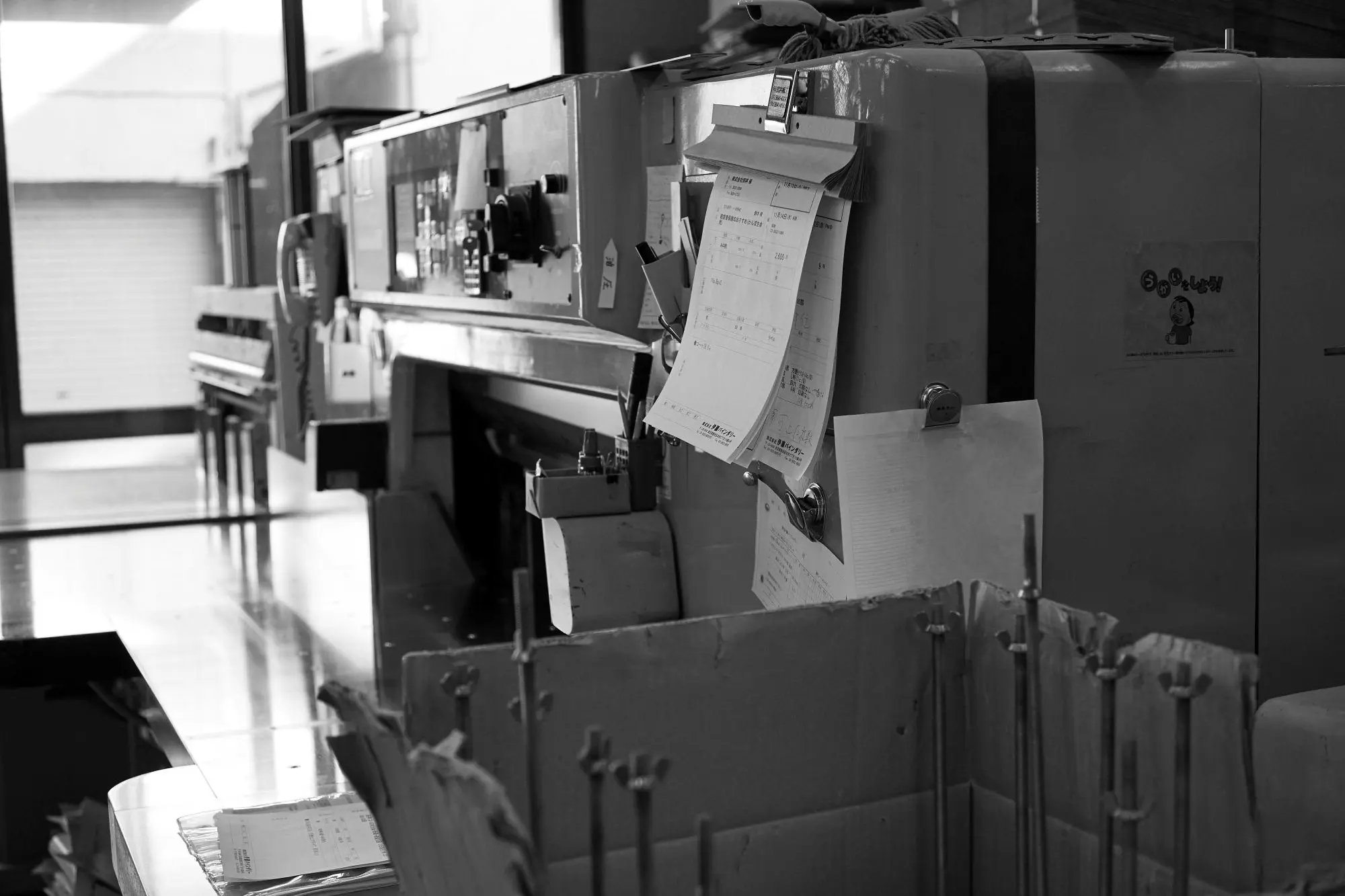
Would anyone really make the effort to come all the way here? In reality, people would sometimes look into the factory through the window as they passed by, but very few actually stepped inside. In an age when everything can be purchased online, would anyone really come here just to see the place where the products are made? I found myself thinking about this again and again.
Still, the reason I wanted to create the shop was because, even before that,
customers who had been using our products would occasionally visit the factory.
Some of them would hold up a Memo Block outside the window and say,
“This is where you make it, right?” “I use this all the time.”
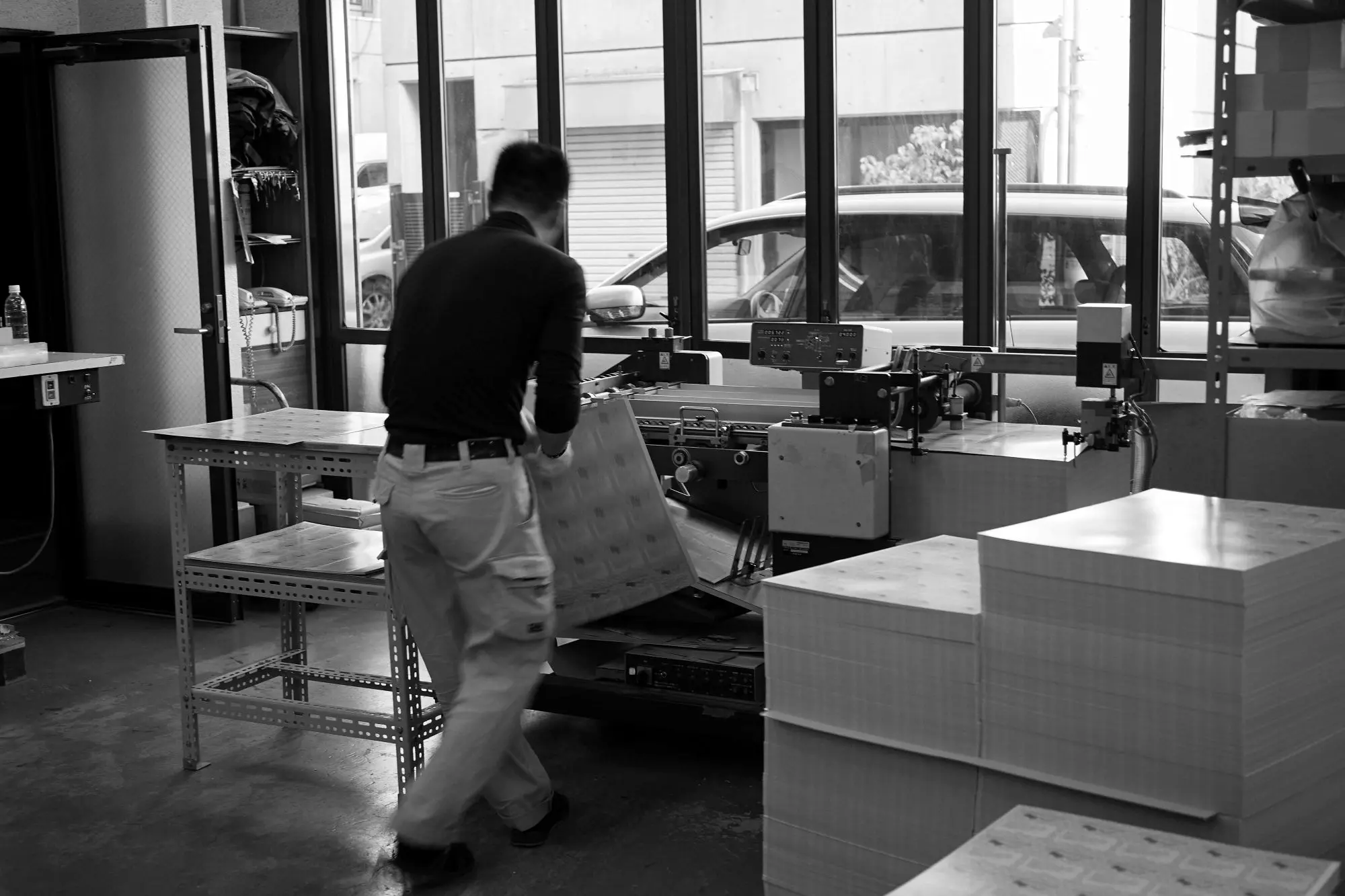
A factory can be an intimidating place. It’s noisy, a bit rough, and you’re not always sure if you’re even allowed to go in. And sometimes people wonder whether such clean, minimal products are really made in a place like this. That is exactly why I wanted to create a place where people could see it for themselves and feel convinced.
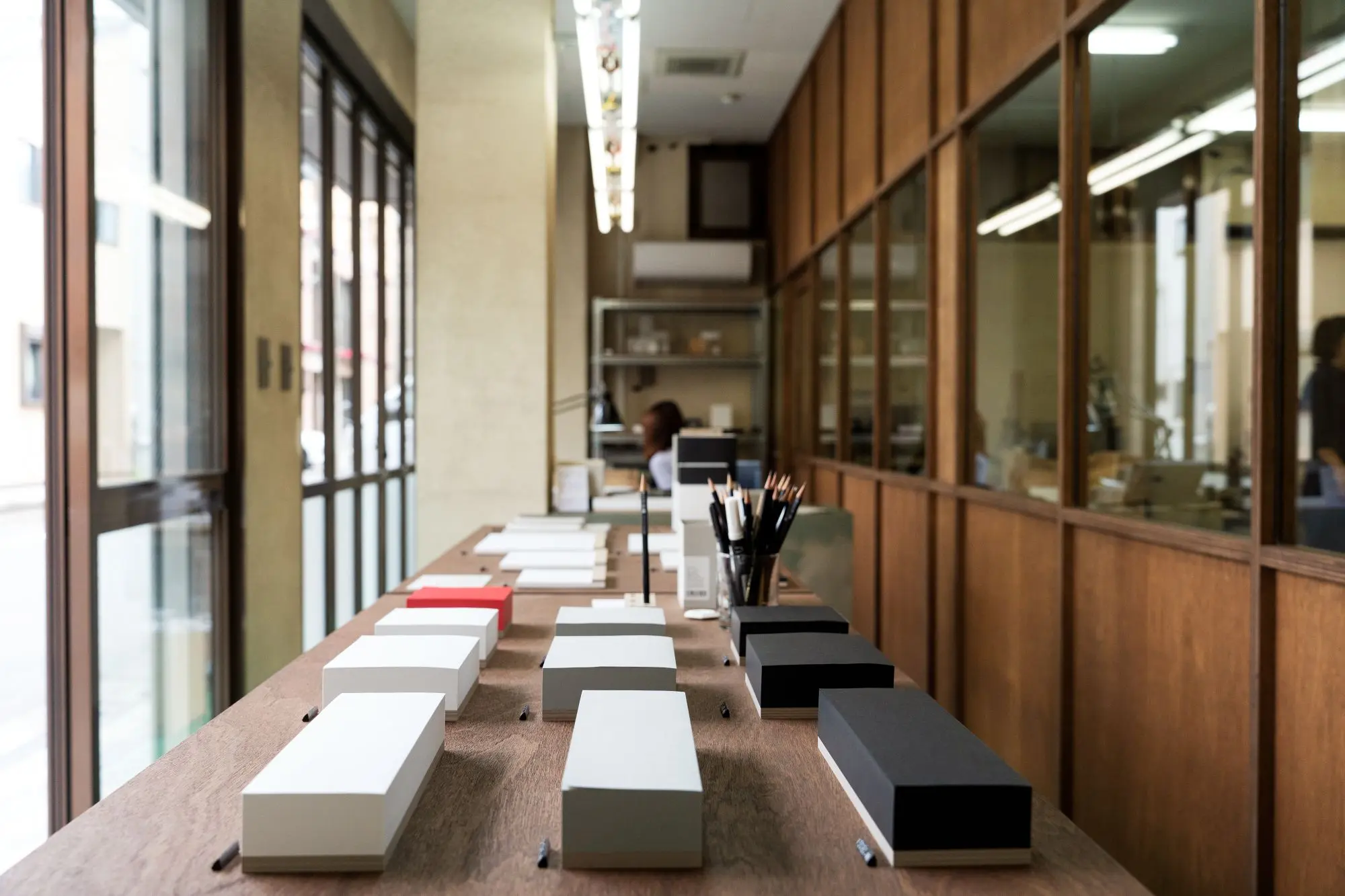
Through the large window, you can watch the cutting machines precisely trimming stacks of paper. You can see the binding work happening right in front of you. And you can pick up the products and experience them with your own hands.
You can see that everything is made here. You can look, touch, and understand.
That was the kind of shop I wanted to create.
Inside the shop, there is no background music — only the sounds of the factory.
Some days, you hear the sharp sound of the cutting machine slicing paper.
On other days, the large binding machine is running, and you have to raise your voice to talk.
Sometimes you hear the quiet sound of glue being applied.
Sometimes the sound of a forklift moving in and out.
And sometimes the rhythmic noise of the folding machine upstairs.
When people see the craftsmen working right in front of them, the products on the shelf begin to make sense.
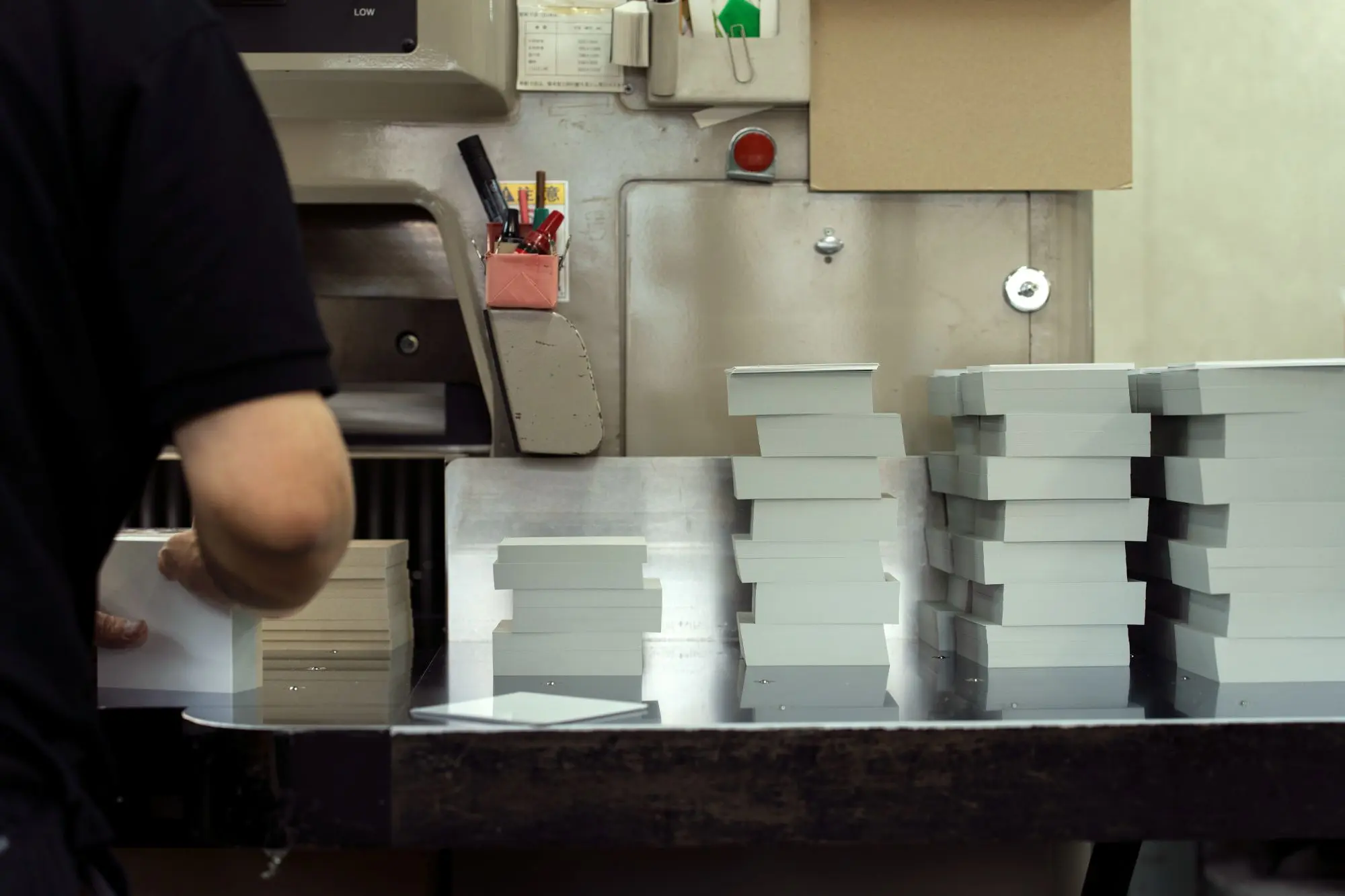
Being able to see and understand on the spot —
that is what this shop is meant to do.
After opening the shop, I realized something important.
Conversation matters.
We discovered that even people living nearby had been using our products.
Some visitors come from overseas just to see how the products are made.
Some come because they want to see the full collection.
Some want to talk first, understand, and only then decide to buy.
They talk, they look, they understand, and then they choose.
That kind of time exists in this place. When people pick up a Memo Block, they often say,
“It’s bigger than I expected.” “You really make this here?” “So these are all made by hand?” These are words we would never hear if we only stayed in the factory making things.
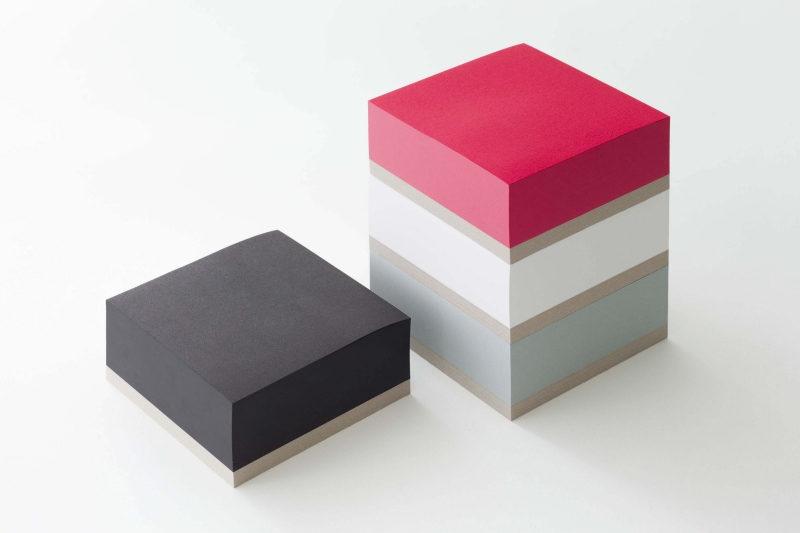
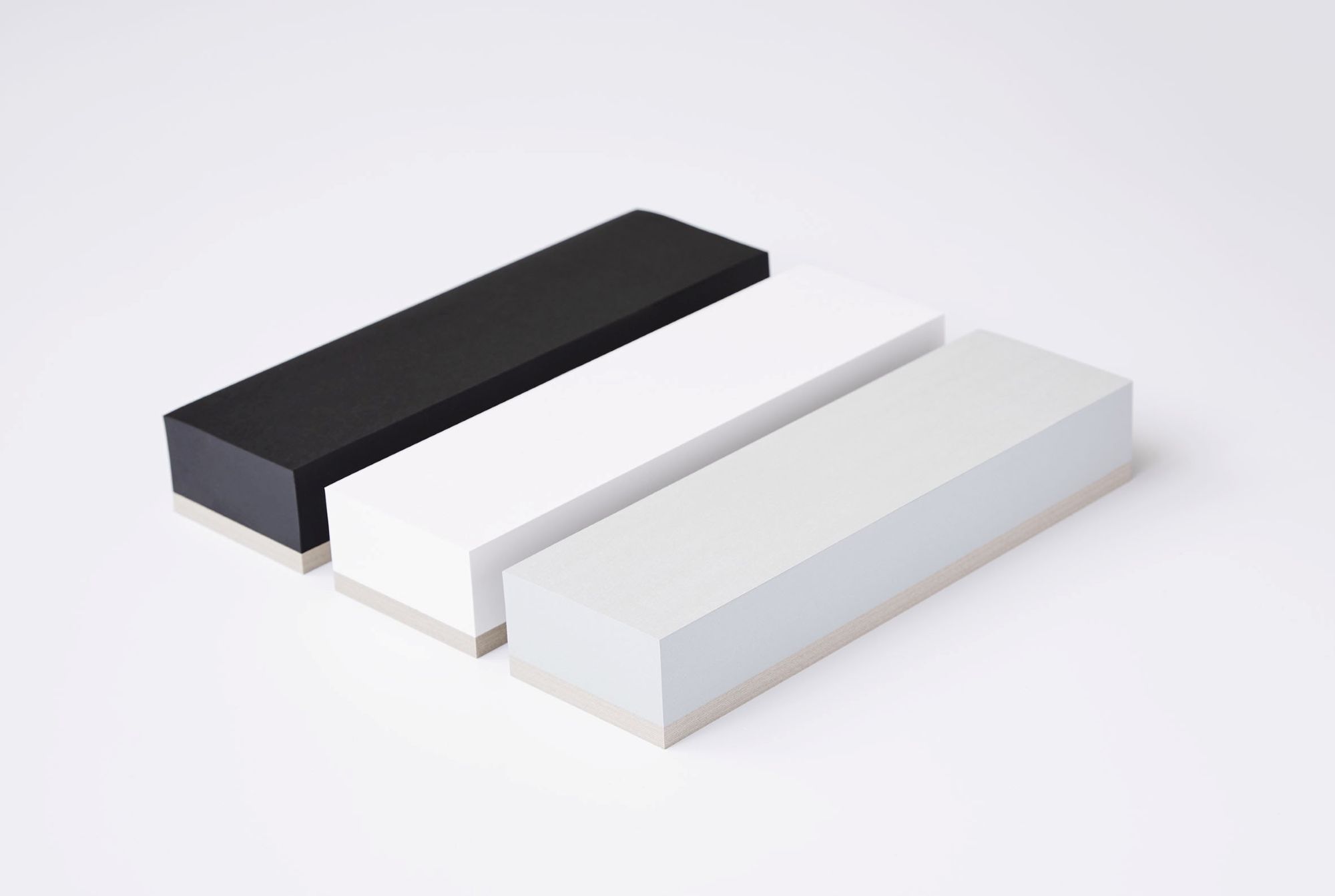
The design of the ITO BINDERY shop is by the same designer who created our products.
Why is it made here? Why this shape? Why this material?
Because the space itself comes from the same way of thinking as the products, we wanted it to be a place where people could understand the whole background.
Perhaps that is why designers who visit often take photographs not only of the products, but of the factory and the shop itself. It is not just a place where products are displayed.
It is a place where people can feel the work, the air, and the process behind them.
The entrance is a traditional sliding door, like those in old Japanese row houses. It may take a little courage to pull it open, but I hope people feel free to come in.
You don’t have to buy anything. It’s fine just to stop by, talk for a while, and leave.
I want this place to be like glue —
something that connects the factory and the people who use what we make.
Once, the wife of a long-established shop that has been in business for over 160 years told me, “You won’t understand a shop until you’ve run it for three years. Just keep going for three years first.”
At the time, I didn’t even understand what she meant. Now that three years have passed, I feel like I am beginning to understand. And I look forward to the new encounters that this place will bring in the future.